



Current Sarasota Beach Conditions
Check current Sarasota County beach conditions, surf updates and weather and safety information before visiting.
With over 35 miles of beaches and six islands to choose from, picking the perfect kind of paradise in Sarasota can seem daunting. The sand, wildlife and scenery along our coastline can change with just a short walk in any direction; and depending on the weather, a storm could become a sunny beach day in the time it takes you to get there from your hotel.
We have several online tools and resources to check beach conditions while planning your trip to Sarasota or packing up for a day at the beach.
Explore Live Conditions
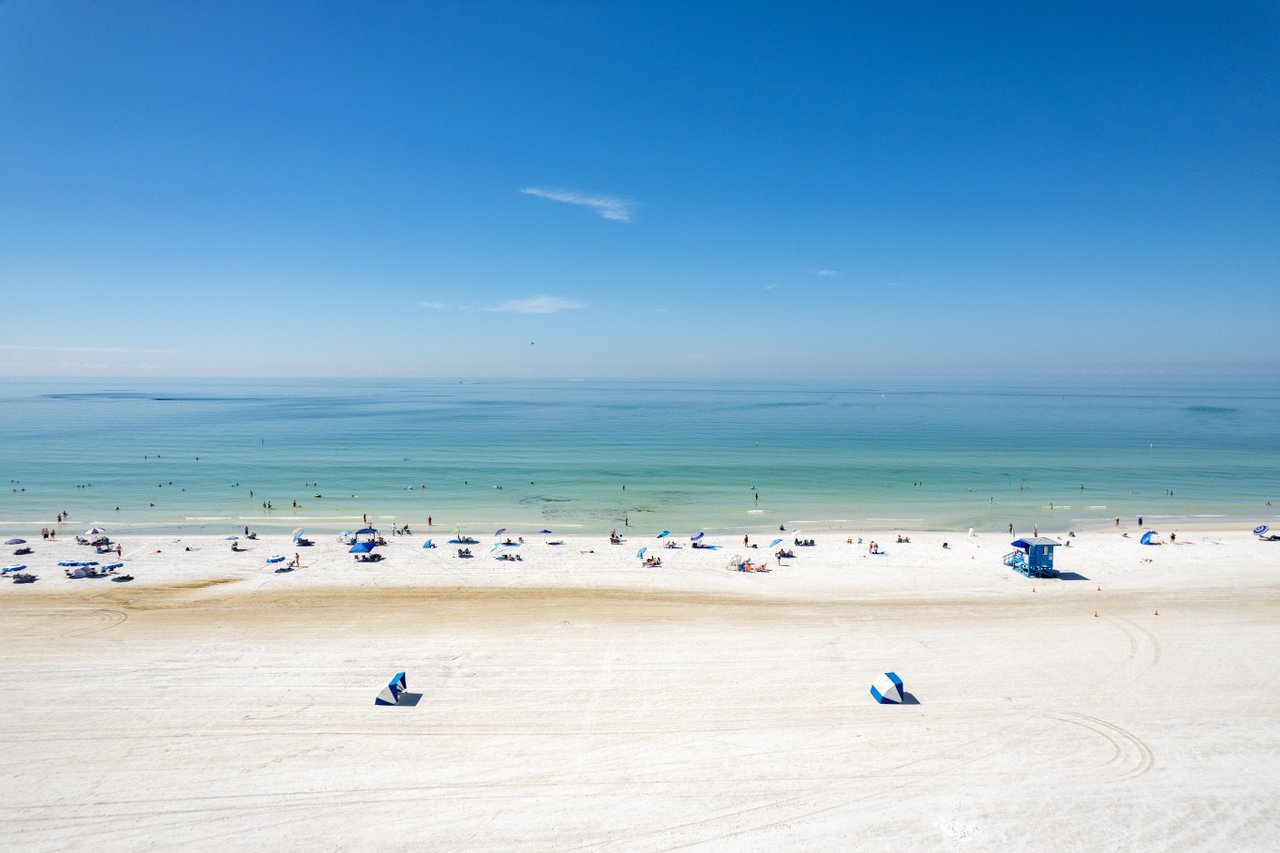
Visitor can find a live view of Siesta Key Beach—one of the best beaches in the United States—on YouTube before suiting up and heading out for the day.
Watch the Siesta Key Beach Live Cam
Several local organizations, including Sarasota’s own Mote Marine Laboratory, also provide daily live updates on Sarasota beach conditions as well as important health and safety markers.
Mote updates its beach conditions report twice daily at around 10 a.m. and 3 p.m., including weather information like UV index and wind speed, surf and water conditions and even crowd reports.
Access Mote's Beach Conditions Reporting System
The Florida Department of Health manages the Florida Healthy Beaches program, which samples public marine beaches for certain contaminants that may cause disease or infection.
Access the Florida Healthy Beaches Lookup
Want to check the water quality before you dive in? Sarasota County provides a recreational water quality map with detailed information about red tide, bacteria and pollution.
Access Sarasota County's Water Atlas Quality Map
Red tide is a naturally occurring phenomenon that can happen in Southwest Florida's waters. While red tide usually doesn’t impact beachgoers, it can cause a “red tide tickle”—an itchy throat and coughing. The Florida Fish and Wildlife Conservation Commission monitors red tide and updates the sample map daily at 5 p.m.
View the Red Tide Current Status Map
Florida’s Beach Warning Flag Guide
While you’re at one of Sarasota’s beautiful beaches, you might see a flag raised at the lifeguard stand. To alert beachgoers to potential hazards, the Florida Coastal Management Program developed a color-coded flag system used at all public beaches in the state.
Flag Color | Meaning |
| Double Red | Water Closed to the Public |
| Red | High Hazard, Strong Surf or Currents |
| Yellow | Medium Hazard, Watch for Surf and Currents |
| Green | Low Hazard, Calm Conditions |
| Purple | Dangerous Marine Life Present (jellyfish, stingrays, etc.) |
Weather and Seasonal Changes
Sarasota’s beaches change with the seasons, so here's what to expect throughout the year.
Average Water Temperature in Sarasota
Sarasota water temperatures generally stay temperate, making them perfect for swimming and enjoying water sports all year long. Highs reach up to 88°F in August, and lows can hit 61°F in January. The water tends to feel cooler in the winter months, plus with lower crowds and less traffic, it’s a great excuse for a winter getaway.
Month | Average Temperature |
| January | 64°F |
| February | 64°F |
| March | 67°F |
| April | 73°F |
| May | 78°F |
| June | 82°F |
| July | 85°F |
| August | 87°F |
| September | 84°F |
| October | 81°F |
| November | 75°F |
| December | 69°F |
Average Air Temperatures in Sarasota
While the water may stay warm year-round, Sarasota can get pretty hot in the summer. However, the summer “wet season” brings occasional afternoon rain or thunderstorms. Be prepared for last-minute afternoon showers that can interrupt beach days, and always watch for flags at the lifeguard stand.
Month | Average Temperature |
| January | 61°F |
| February | 63°F |
| March | 67°F |
| April | 72°F |
| May | 77°F |
| June | 81°F |
| July | 82°F |
| August | 82°F |
| September | 80°F |
| October | 75°F |
| November | 69°F |
| December | 64°F |
Atlantic Hurricane Season
Tropical storms and hurricane season runs from June 1 through Nov. 30, with the greatest activity typically in August, September and October. While most days remain sunny, travelers must monitor weather systems closely, as severe storms can disrupt flights, cause heavy beach erosion or prompt evacuations in severe instances.
Before your trip, check the City of Sarasota website and Hurricane Preparedness resources for the latest storm updates, and always follow guidance from local officials if a storm is approaching.
Sea Turtle Season
Sea turtle nesting season runs from May 1 through Oct. 31. Visitors during this time can help protect area nests by:
- Knocking down any sand sculptures you've built and filling in any holes you've dug, as they can become unexpected obstacles for sea turtles en route to the water
- Removing any furniture, toys, boats, canopies or any other potentially obstructive items when your beach day is over
- Properly disposing of your (or others') trash and food scraps
- Reducing the use of flashlights, tiki torches or cellphones on the beaches at night
Red Tide
Red tide is a naturally occurring algae bloom that can appear along the Gulf Coast, most often in late summer and fall, though it can happen at any time of year. It's not present at every beach at once—conditions can vary from one beach access point to the next depending on wind and current.
Most people can still enjoy the beach during a red tide event, but you might notice a mild cough, scratchy throat or eye irritation, especially if you have asthma or chronic respiratory conditions.
Beach Safety Tips
Here's how to spend a fun, safe day at Sarasota's beaches. These tips aren't all-encompassing, so always pay attention to lifeguard directions and check conditions by calling 941-BEACHES (941-232-2437).
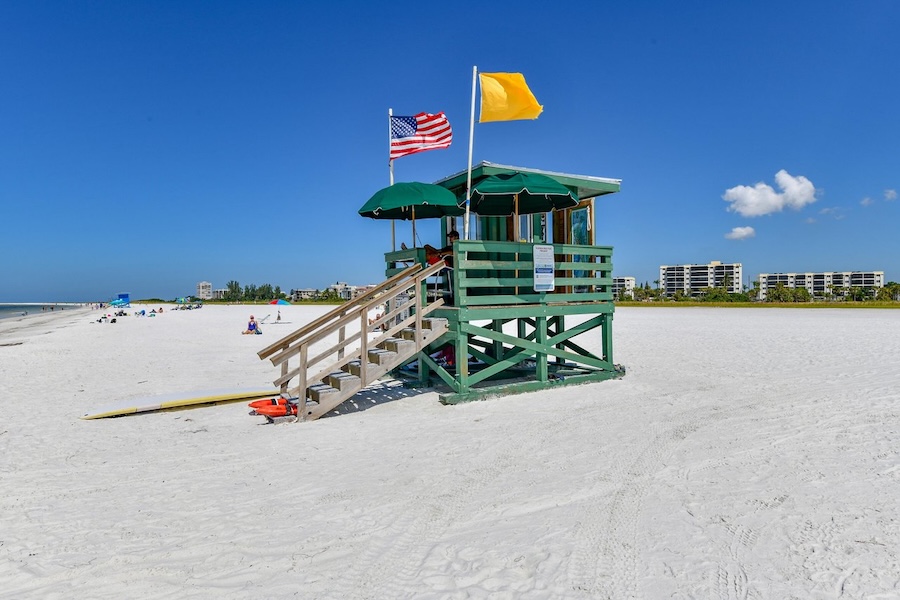
- Swim near a lifeguard. Sarasota County lifeguards staff towers at select beaches—including Lido, Siesta, Nokomis, North Jetty, Venice and Manasota—daily from roughly 10 a.m. to 4:45 p.m. (hours may shift seasonally). Check which beaches are guarded, and always check the flags posted at the tower before entering the water.
- Protect against the sun and dehydration. Florida sun is intense year-round, even under cloud cover.
–Apply (and reapply!) broad-spectrum sunscreen often, especially after swimming or high UV index
–Bring a hat, sunglasses, and an umbrella or sun shelter
–Drink plenty of water, especially during peak sun
- Know how to spot and handle rip currents. Fortunately, Florida’s Gulf Coast rip currents are generally less frequent and less intense than those on the Atlantic Coast. But it is good to know how to spot them around gaps in sandbars, piers, jetties and inlets. If you are caught in a rip, stay calm and do not swim against the current; swim parallel to the shore to escape it.
- Exit the water when lightning is present. If you see lightning or hear thunder nearby, leave the open beach immediately and seek a safe, fully enclosed building or hard-topped vehicle. Lightning most often occurs during summer months, with July being the peak month for activity.
- Watch our for the local wildlife.
–Practice the "stingray shuffle" along the sandy bottom in shallow waters to scare away stingrays.
–Though rare in the Gulf, if you are stung by a jellyfish, rinse the area with salt water (not fresh water) and seek a lifeguard nearby.
–If you spot a manatee swimming nearby, please do not approach, feed or touch these protected sea creatures.
–Avoid feeding seabirds at beaches (human food harms their health, alters their natural behavior and creates public safety and environmental hazards).
Accessibility & Amenities
Visitors of all abilities are welcome to enjoy Sarasota’s beaches, though exact amenities may vary by beach.

General amenities may vary across Sarasota County public beaches, but primarily include:
- Restrooms and outdoor showers
- Picnic pavilions, barbeque grills and shaded seating
- Playgrounds (select beaches)
- Concession stands and beachside dining
- Free and metered parking, with ADA spaces at accessible beaches
- For those seeking accessibility, check with the lifeguards for beach wheelchair availability. At Siesta Beach, you can sign out wheelchairs at the main pavilion concession stand. To check availability or make special arrangements after concessionaires or lifeguards close for the day, call 311 or 941-861-5000. There are also rental businesses located near several beach communities for extended or multi-day use.
Earn Prizes Using the Beach Pass
As you explore our area beaches, unlock the Sarasota Beach Pass to check in, earn points and earn prizes!