![Boat parking at The Crow’s Nest in Venice [Photo: Lauren Jackson]](/sites/default/files/styles/popular_stories_teaser/public/2023-import/The-Crow%2527s-Nest-cropped__OPT.jpg.webp?itok=F_GZSs8A)


Guide to Wildlife Viewing in Sarasota’s Natural Spaces
Learn about the Florida wildlife that exists in the Sarasota area and the best places to see them in their natural habitats.
Sarasota is a wildlife lover’s paradise. Dreaming of dolphins? Amazed by alligators? Enamored by raptors? The area’s beaches, lakes, rivers and forests are filled with iconic Florida wildlife year-round.
Whether you’re snorkeling off the Gulf, paddling through mangrove tunnels, birdwatching in a protected preserve or keeping your eyes peeled on a hike, wildlife encounters in Sarasota can happen anywhere—and most often when you least expect them.
This guide covers native animal identification, the best natural habitats for viewing and essential safety tips for responsible encounters. How many sightings can you check off your list?
Your Sarasota Animal Identification Guide
Ibis
How to Spot: The American white ibis is a white bird, about the size of a chicken, with a long, curved pink beak. These wading birds are usually seen walking in groups in coastal and inland habitats, like marshes and mangrove swamps.
What to Watch For: These gangs of avian friends meander the neighborhoods, using their long beaks to dig out bugs and small sea creatures. Dozens will work together to nosh on a yard before walking to the adjacent lawn. When they fly away in unison, it’s a grand sight.
Manatee
How to Spot: The Florida manatee, aka the beloved "sea cow," is famous for its paddle-shaped tail, grey wrinkly skin and docile nature. They will often look like big, dark blobs swimming slowly in the water. Manatees typically lounge in shallow, warm waters and pop their nostrils out of the water to breathe.
What to Watch For: You’ll see these gentle giants enjoying the slow life of swimming and grazing on aquatic vegetation. No need to fear these friendly manatees, but boats must remain cautious as they are slow and easily injured. It is illegal to harass, hunt, capture or kill these marine mammals.
Cormorant / Anhinga
How to Spot: These water birds are almost identical to one another, but they can be most easily differentiated by their beaks. Cormorants have curved beaks, and their feathers are a deeper black. Anhingas have straight beaks and slightly lighter plumage.
What to Watch For: Both cormorants and anhingas dive in the waters in search of fish. When they swim, only their necks and heads are visible, resembling a snake. Because they don’t have oil on their feathers, they are great divers but also need to air out their wings. They will often be seen sitting in branches, on the shore or on pilings with their wings outstretched to dry.
Bottlenose Dolphin
How to Spot: Look for a sleek, slate-grey dorsal fin cutting cleanly through the surface of the water, often accompanied by a misty puff of water vapor as they surface to breathe. Sarasota Bay is home to resident populations of dolphins, so you can spot them year-round in shallow bays, coastal lagoons and near passes leading out to the Gulf.
What to Watch For: Dolphins are highly social and are frequently seen traveling in small groups called pods. Watch for dramatic behaviors like leaping clear out of the water, "wake riding" behind passing boats, or working together to herd schools of fish against a seawall. If you hear a sudden, sharp chuff sound across a quiet bay, look quickly—a dolphin has just exhaled through its blowhole.
Herons
How to Spot: Sarasota boasts a variety of herons, each with a similar build – sleek body, long legs and pointy beak. Great blue herons are the tallest and feature grey plumage with black accents. Little blue herons look like the babies of great blues, but are a different species. Snowy egrets boast white feathers and dark bills. Great egrets have a similar stature to snowy egrets but a thicker, darker bill. And great white herons have the thickest bills among large white birds and may have flesh-colored legs. Sarasota also serves as the home for the smaller tri-colored herons and black-crowned night herons.
What to Watch For: Mostly solitary creatures, herons live near water and hunt lizards, small fish, frogs, small animals and insects to eat. Watch as they slowly stalk their prey, often using a wobbling-neck maneuver.
Roseate Spoonbill
How to Spot: The roseate spoonbill is a social wading bird with bright-pink feathers, long red legs and a flat spatula-shaped bill.
What to Watch For: Members of the ibis family, roseate spoonbills are usually found alone or in ibis groups. They feast from the water and make an impressive sight as their pink plumage flies through the sky.
What It Is Not: A flamingo.
Bobcat
How to Spot: The Florida bobcat is a secretive, highly adaptable wild cat native to the state. Distinct for their short, "bobbed" tails, prominent pointed ears with small black tufts and brown spotted coats, they are about twice the size of a domestic cat.
What to Watch For: Bobcats are crucial to controlling local rodent and small mammal populations. However, they remain fairly elusive in rural and forested areas of Sarasota County.
What It Is Not: A Florida panther, or a puma, mountain lion or cougar. Panthers are taller and solid tan in color. An endangered species, Florida panthers were once common in the area, but now a sighting is extremely rare, if not impossible.
Stingrays
How to Spot: Stingrays often travel in groups, and watching a school glide through the water is a breathtaking sight. Sarasota's coastal waters, bays and estuaries are home to several species of stingrays, with the Atlantic and Southern being the most common. You can also spot related species like the non-aggressive Smooth Butterfly ray and schooling, winged Cownose rays. Stingrays linger on the sea floor in search of food, but when they swim, their wide pectoral fins move like wings—and the tips will sometimes break the surface, resembling small dorsal fins.
What to Watch For: Scan the shallow flats and seagrass beds for rays (most active from April to October). They tend to use their flat, diamond-shaped bodies to bury and camouflage themselves in the sand, and only sting in self-defense. Avoid an accidental injury of stepping on one by using the "Stingray Shuffle:" shuffling your feet along the sandy bottom to send vibrations through the sand, giving any nearby rays time to move away.
Alligators
How to Spot: The American alligator are crocodilians and, as such, have bodies covered in bony scales called scutes. Their long tails propel them as they swim.
What to Watch For: Florida is the only place on earth where alligators and crocodiles live together in the wild. However, only alligators reside in Sarasota, and are usually found in the water, with only their eyes and nostrils visible. They often bask on the water’s edge to warm their cold-blooded bodies. Attacks are rare, but it’s a safe rule of thumb to assume that any body of freshwater in Sarasota—a pond, lake or even swimming pool—is the potential home of an alligator.
What It Is Not: A crocodile. You’ll find them south of Sarasota, usually swimming in saltwater or sunbathing on the riverbanks. While their bodies are similar to those of an alligator, crocodiles have smaller snouts and bolder coloring.
Turtles
How to Spot: All turtles have shells with similar coloring. Sarasota serves as home for five species of large sea turtles: Loggerhead, Kemp’s ridley, Hawksbill, Green and Leatherback, which you’ll find slowly swimming in the Bay and Gulf. You won’t see these species in freshwater, but you may see a prehistoric-looking alligator snapping turtle. The Florida Softshell Turtle is a frequent surprise encounter—spotted in yards, crossing roads and wading in shallow water, as its long, snake-like neck and head tend to stop people in their tracks. The Common Painted Turtle and Gopher Tortoise also call Sarasota home.
What to Watch For: Sea turtles often evoke surprise and awe as they drift with the currents, usually alone. Kids tend to think immediately of Crush from Finding Nemo, but these gorgeous animals should be left in peace. During nesting season (May through October), sea turtles lay their eggs along the edges of beaches, but beachgoers should not approach nesting areas. Alligator snapping turtles sit and wiggle their tongues to lure prey. Softshell turtles lollygag the day away and are often found in residential areas; best to avoid them and not try to help them across the street.
Raptors
How to Spot: Sarasota hosts a diverse population of raptors (birds of prey), including year-round residents like Red-shouldered Hawks, Ospreys, Bald Eagles and Barred Owls. The most common hawk in the region—recognized by its reddish-brown barred chest and its loud, echoing call—is the Red-shouldered Hawk. Between the size of a hawk and an eagle, the Osprey features dark brown feathers on its wings and back, and white plumage on its head and stomach. A dark stripe resembles a superhero mask.
What to Watch For: Osprey are frequently seen near the Gulf Coast and local lakes. Watching them dive directly into the water to catch fish is an impressive sight. First, they stalk from above, then dive down and capture the fish in their talons, returning to land to enjoy the feast. Their large nests are often spotted at the top of fishing pilings and telephone poles. Sarasota also has a thriving population of nesting eagles, commonly seen near water bodies or perched in tall pine trees.
Mangrove Crabs
How to Spot: Look closely at the ground and the low-hanging branches in mangrove forests. You’ll spot hundreds of tiny, dark-colored Mangrove Tree Crabs actively scaling the tree trunks and prop roots, while the slightly larger Fiddler Crabs mass by the thousands on the muddy shores below. Fiddler crabs are instantly recognizable by the male’s single, comically oversized claw.
What to Watch For: On the mudflats, watch the male fiddler crabs frantically wave their giant claws in the air like tiny violins to defend their burrows and attract mates. Meanwhile, look up into the mangrove canopy to see the nimble tree crabs scraping algae off the leaves and dropping into the water the moment they sense your shadow. Both species act as the ultimate cleaning crew for the forest floor.
Anole
How to Spot: Anoles look like lizards, green or brown in color, spanning from tiny one-inch babies to adults the length of a hand. The males have a red or orange flap of skin called a dewlap that they can spread out.
What to Watch For: Anoles frequent backyards, fences, cars, yards, houses—anywhere they can grab some bugs to munch on. They are able to detach their tails when attacked; the tail continues to squiggle as a distraction to the predator while the lizard flees.
What It Is Not: A gecko. While geckos are found in Sarasota, they are not as commonly seen as the anole. Geckos prefer to hide and can use their bulbous suction-cup fingers to climb walls, glass and even ceilings.
Wild Parrots
How to Spot: These gorgeous species often congregate in groups of 10 and 20 (sometimes even 100!), taking to the skies in a flurry of greenish-blue wings. You may hear them before you see them—these birds tend to be pretty loud, known for their high-pitched screeches.
What to Watch For: They generally squawk from their trees or telephone wires and fly in unison to their next destination. Many are seen in the Marina Jack area of downtown Sarasota. Wild parrots most likely resulted from storm displacement or the irresponsible release of pets.
Mullet
How to Spot: Mullet is an unassuming silver-gray fish, typically a foot long, with a rounded snout.
What to Watch For: These fish will leap high out of the water, and sometimes up to five times in a row. In the sea, groups swim together, often in a follow-the-leader formation, and frequent shallow water. You can spot them pretty easily, often at the beach, but don’t bother casting their way. Mullet are vegetarians and can be caught only with a net or a gigging pole.
Wildlife Spectacles & Hot Spots
Myakka River State Park
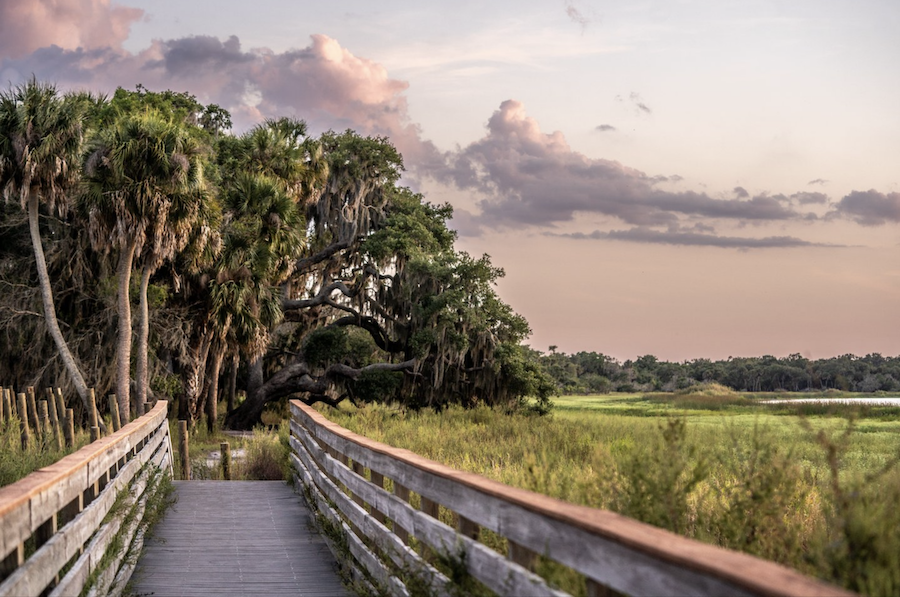
If your trip to Florida won’t be complete without seeing an alligator in the wild, head to Myakka River State Park in Sarasota. At 58 square miles, it’s one of the largest state parks in Florida and one of the oldest. And there are many alligators within its boundaries.
You might see some gators before you even get out of the car; there are usually some near the bridge about two miles into the park on Park Drive. But getting out on the water definitely increases your odds. Rent a canoe or kayak from Myakka Outpost, or opt for a guided kayaking tour of the river from outfitters like Kayaking SRQ.
Ted Sperling Park
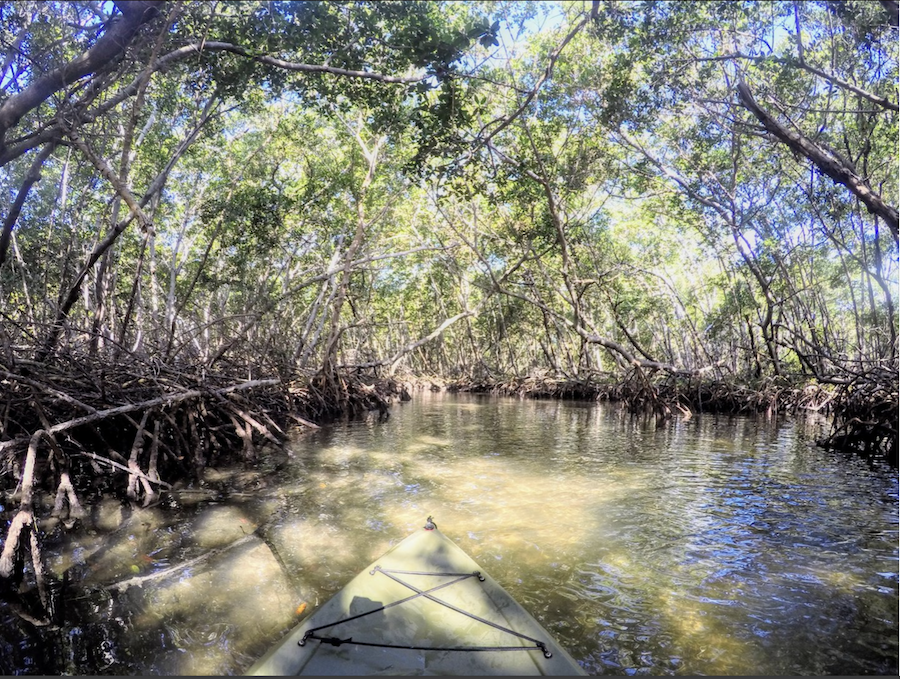
Manatees are often high on the must-see animal list for many Florida travelers. To spy one in the wild, a good place to go is Ted Sperling Park, located at the southern end of Lido Key. Manatees, as well as mangrove crabs, flying mullet and various seabirds, can often be found here because the park offers access to both the Intracoastal Waterway and the Gulf via Big Sarasota Pass.
Outfitters like Kayaking SRQ and Paradise Adventures rent gear and lead kayak tours that get you into the park and through the picturesque Lido Mangrove Tunnels.
Celery Fields

Yes, we’ve got pelicans, herons and egrets here in Sarasota, and they’re fun to see during a Florida vacation. But those birds also spread their wings in lots of other parts of the country. To check off a bird on your life list that you won’t find in other states (except maybe southern Georgia), head to the Celery Fields and look for limpkins. This large swamp bird—also found in the Caribbean and South America—hangs out here to hunt apple snails.
The aptly named Celery Fields was once used for growing—you guessed it—celery. Now it’s a stormwater collection zone and a county-owned park that’s home to more than 200 bird species, including the limpkin. It’s also a hot spot for migratory flocks during the spring and fall, as thousands of warblers, shorebirds and raptors pass through Sarasota on their way to and from the tropics. Look out for black-necked stilts, king rails, least bitterns, barn owls and eastern meadowlarks.
Oscar Scherer State Park
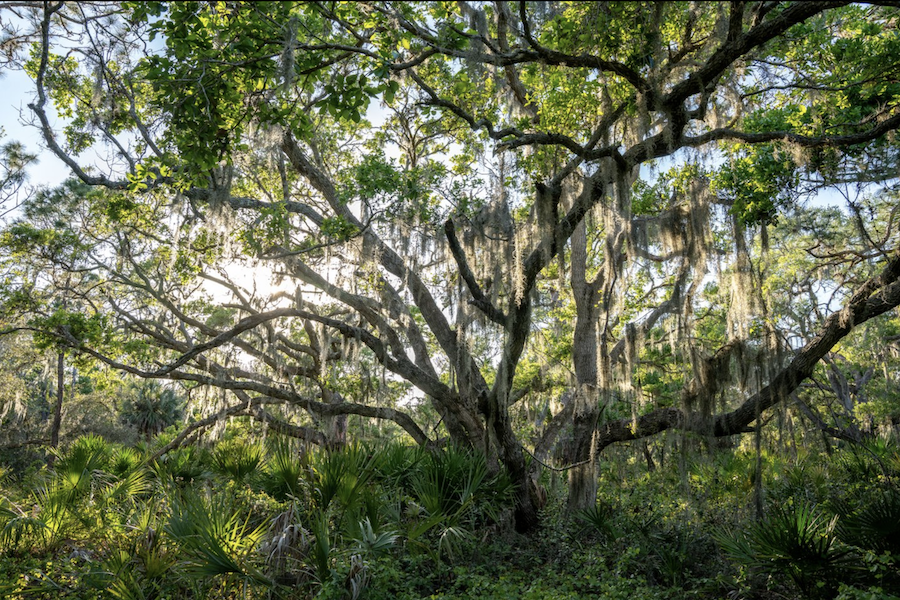
The Florida scrub-jay is an imperiled species found only in Florida. And Oscar Scherer State Park in Osprey is one of the best places in Southwest Florida to see the bird. That’s because the 1,381-acre park has a lot of scrubby flatwoods, the scrub-jay’s preferred habitat.
For your best chances of finding the bird, head out on the park’s Green Trail, a route that is either 2 or 3 miles long. It begins behind the nature center, crosses South Creek, and then enters scrub-jay habitat. It’s also considered the park’s best biking trail if you prefer riding over hiking. The one-and-a-half-mile Blue Trail passes through scrub-jay habitat as well.
Venice Fishing Pier & Jetties
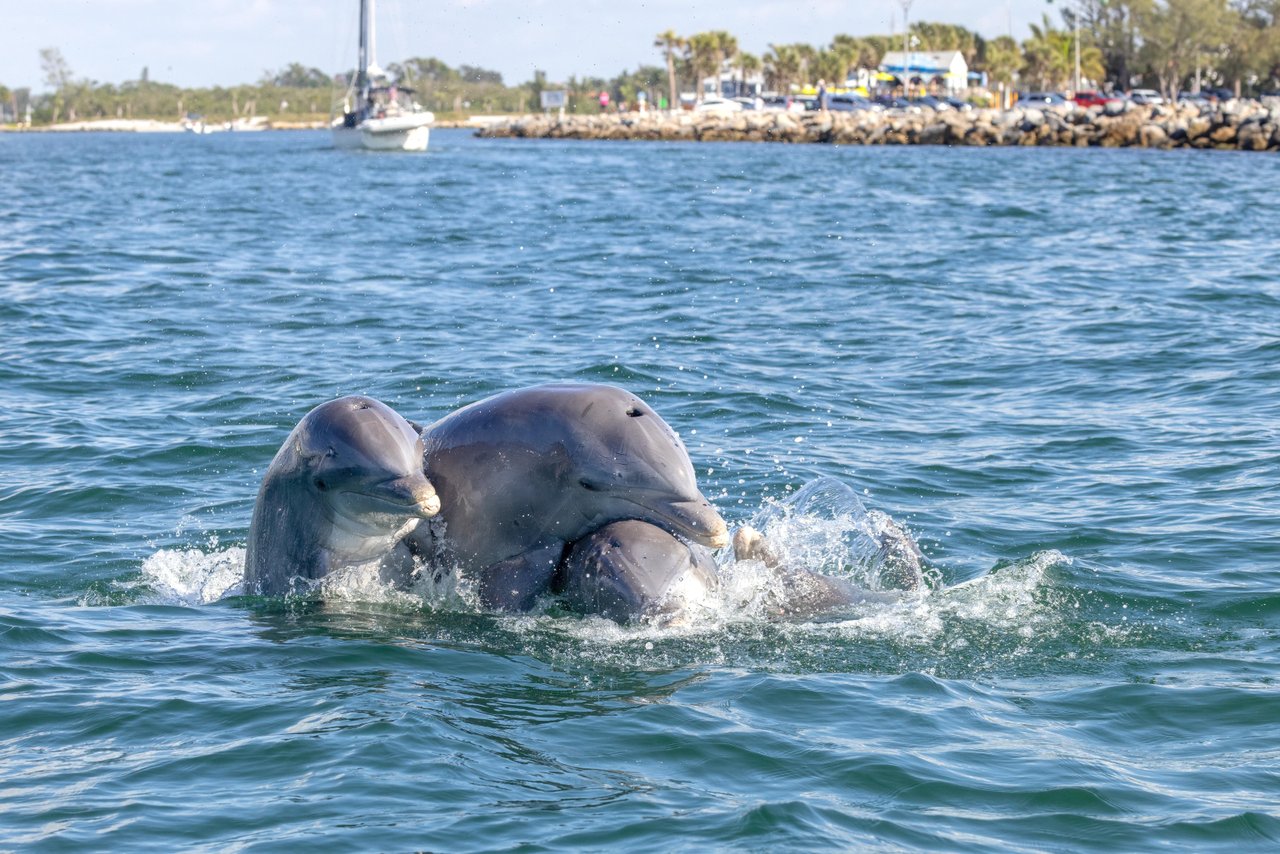
If you’re in the Nokomis or Venice area, see the boats traveling in and out of the channel and whatever's biting on fishermans' lines at North Jetty Beach and South Jetty. All along the rock jetties, on either side, you can admire the Gulf Coast view and look for dolphins and manatees swimming below the water's surface (most common during dawn and dusk). You may also see various sea turtles following the waves.
Further south at the Venice Fishing Pier, look into the pilings and shallow waters for blue crabs and stingrays, or look above the water for coastal seabirds like pelicans, gulls and herons. A real treat for wildlife lovers is the chance to find fossilized sharks' teeth hidden in the sands of the beach here.
Beaches & Keys
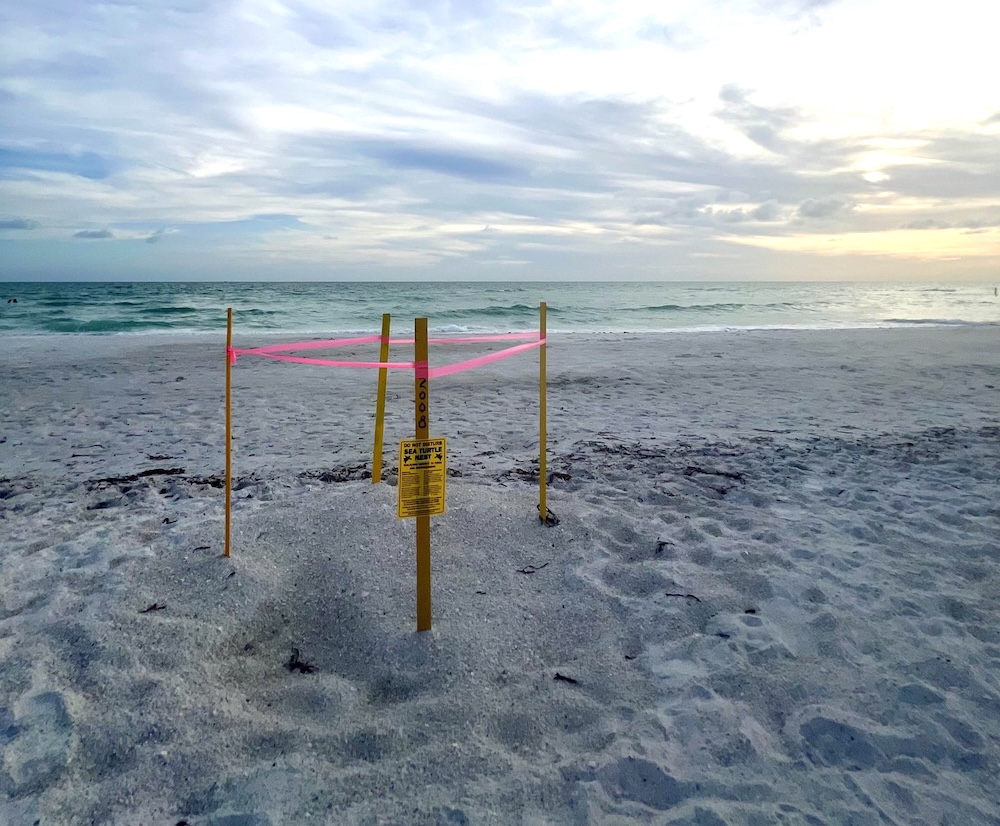
If you visit Sarasota’s beaches during the summer months, you’ll be sharing the sand with some significant reptiles. From May 1 to Oct. 31, loggerhead sea turtles (and occasionally green sea turtles and the rarer Kemp’s ridley sea turtles) come to our beaches to nest. Several thousand nests have been documented in the area each of the past several years by Mote Marine Laboratory’s Sea Turtle Conservation & Research Program. Sea turtle nests will be clearly marked off. Keep your distance and set up your beach chairs and umbrellas well away from any nests in the sand.
Want to get closer to the nests safely? Head out to Longboat Key for a free public turtle walk, hosted seasonally by Longboat Key Turtle Walk. You’ll scout for signs of turtle nesting, discuss sea turtle life history, and learn about other local wildlife and natural habitats.
Wildlife Viewing Tips & Safety
To enjoy the ecosystem safely, always view from a distance and never feed wild animals. Remember to respect Florida wildlife and native marine life when viewing them in their natural habitats. The Florida Fish and Wildlife Conservation Commission is an incredible resource for wildlife lovers.
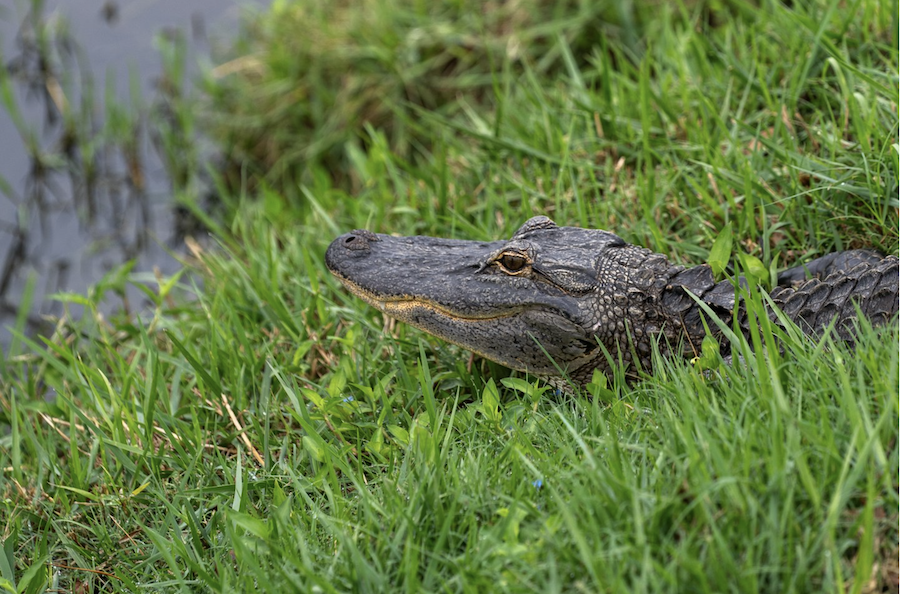
You may be hoping to see a gator (you're in Florida, after all!), but be aware that during mating season (peaking in May and June), mature male gators may get extra feisty. Always stay clear of baby alligators, whose mothers are often close by. Never feed an alligator and do not wade in waters that alligators are known to inhabit.
Coming to the beach during sea turtle nesting season? Be sure to clean up and pack out what you brought in! Structures and obstacles left on the beach make it difficult for female loggerheads to find suitable nesting grounds.
Enjoy Sarasota’s shorebirds by visiting early in the morning during low or incoming tides. Never force birds to fly and always stay out of posted nesting areas. Generally speaking, if a bird stops foraging, stares, fidgets or takes flight, you are too close. So bring binoculars or a camera with a telephoto lens so you can get a close-up look without encroaching on the animal's space.
Please be sure to leash your dog to protect both your pet and the wildlife. Keep them on a short leash, or avoid taking them to critical areas entirely.

Liz Sandburg
A former Sconnie, Liz moved to Sarasota in 2005. She lives on the Phillippi Creek with her family and the world’s greatest dog.
